X Monitoring para sa Journalist: Huwag Mami-miss ang Balita
Kung paano ginagamit ng reporter ang WallaWhats para ma-track ang sources at breaking news sa X — instant WhatsApp delivery, zero algorithmic interference.
 ni Nacho Coll
Nacho founded WallaWhats so you get the alerts that matter without depending on X's algorithm to surface them — pick the accounts you care about and get a WhatsApp for every post the moment it goes live, in order, nothing throttled or buried.
Ang mga journalist ay nabubuhay at namamatay sa breaking news. Pero hindi pinapakialaman ng algorithm ng X ang inyong deadline — o kung ma-bu-bury ang crucial na tweet ng source ninyo sa ilalim ng promoted posts at engagement-bait threads.
Sa mabilis na takbo ng news environment ngayon, ang pagkakamiss ng key development kahit ilang minuto lang ay maaaring ibig sabihin na nawala na ang story. Kaya naman ang mga reporter, editor, at news organization ay umaakyat na mula sa feed-scrolling tungo sa direct, real-time monitoring ng kanilang critical X accounts.
Ang Algorithm Problem para sa News
Ang feed algorithm ng X ay nag-o-optimize para sa engagement, hindi para sa urgency. Ang breaking news tweet ng government official ay maaaring ma-deprioritize kung hindi agad ina-like at nire-retweet ng mga user. Samantala, ang viral meme ay nasa tuktok ng timeline mo.
Para sa mga journalist, lumilikha ito ng ilang critical gaps:
Timing Delays: Ang mga important posts ay maaaring tumagal ng oras bago lumabas sa feed mo — kung lumabas man.
Source Visibility: Ang mga account na kailangan mong i-monitor (officials, experts, competing reporters) ay maaaring hindi madalas mag-post, na ginagawang madaling ma-miss ang content nila sa pagitan ng high-engagement posts.
Context Loss: Sa oras na makita mo na ang breaking tweet, maaaring nag-evolve na ang story, at nag-re-react ka na lang instead na nag-re-report.
Mobile Gaps: Kapag wala ka sa desk mo, ang mobile notifications ng X ay inconsistent at madalas delayed.
Ang solution ay hindi ang mas madalas na pag-check sa X — kundi ang pagkuha ng direct, real-time notifications kapag nag-post ng bagong content ang mga account na mahalaga sa beat mo.
Kung Paano Gumagana ang Real-Time X Monitoring
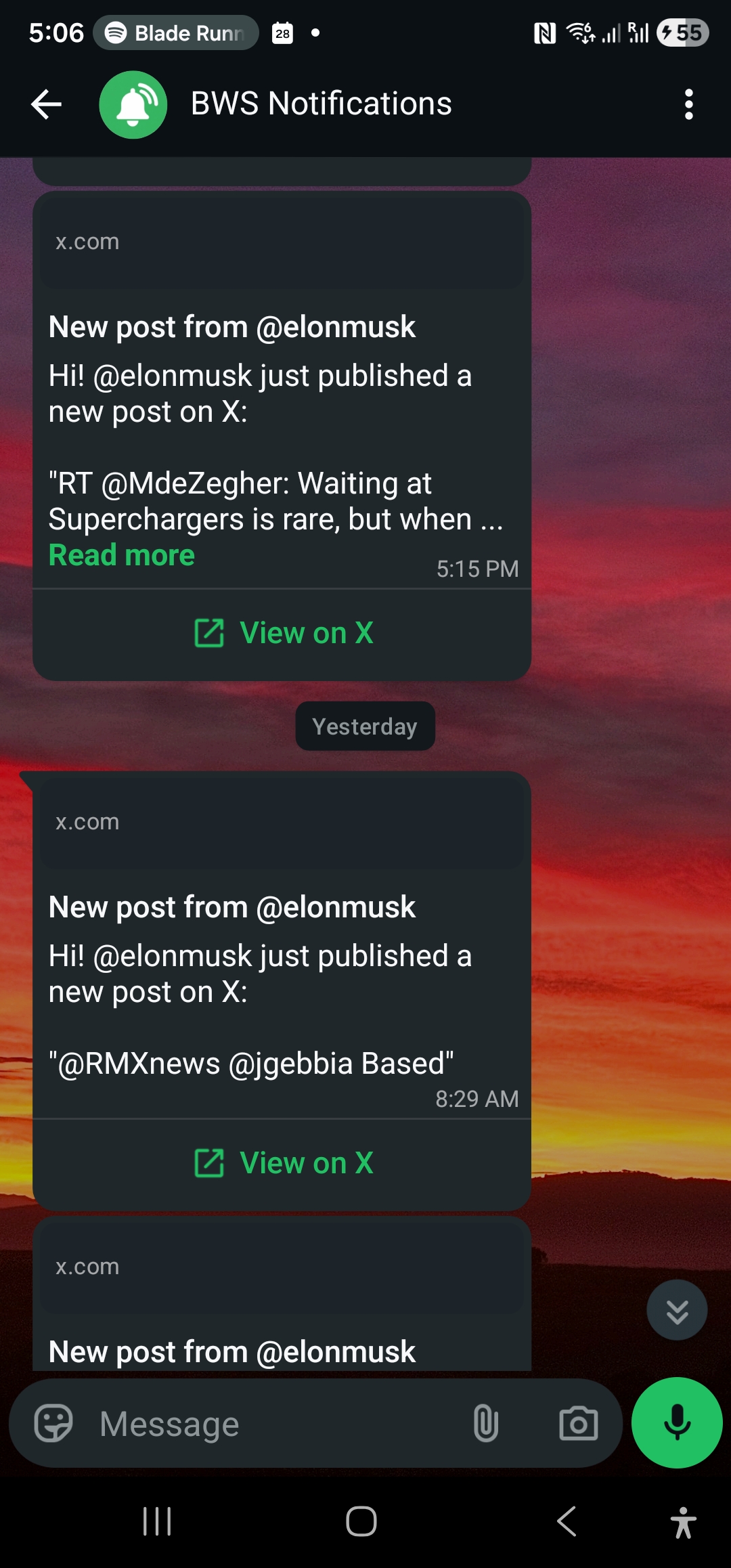
Sa halip na makipaglaban sa algorithm, tinutuloy-tuloy na nilalampasan ito ng WALLAWHATS. Pipiliin mo ang specific X accounts na i-mo-monitor, at bawat bagong post ay mag-ti-trigger ng instant WhatsApp message na may direct link — at isang email na may complete tweet content.
Eto ang ganyang itsura sa practice:
Account Selection: Sa halip na umasa na lumabas sa feed mo ang important accounts, explicit mong i-su-subscribe sa mga mahalaga sa beat mo — whether ito ay 5 accounts o 50.
Instant Delivery: Sa loob ng ilang segundo pagkapost sa X, makakatanggap ka ng WhatsApp notification na may complete text, plus link para ma-view ang full thread at replies sa x.com.
Zero Algorithm Interference: Makikita mo ang bawat public post mula sa monitored accounts mo, in chronological order, regardless ng engagement metrics.
Multi-Device Access: Dadating ang notifications sa phone mo kahit nasa desk ka, sa field, o naglalakbay.
Essential Use Cases para sa mga Journalist
1. Source List Management
May core group ng sources ang bawat journalist na ang mga statement ay maaaring gumawa o gumiba ng story. Government officials, industry executives, policy experts, at institutional accounts na bihira mag-post pero kapag nag-post, news agad ito.
Example Setup:
- Federal Reserve officials para sa economics reporters
- City council members para sa local government beats
- Company executives para sa business journalism
- Medical researchers para sa health reporting
Sa halip na umasa na lumabas sa algorithmic feed mo ang low-frequency, high-impact accounts na ito, direkta mo silang i-mo-monitor. Kapag nag-tweet ang FDA Commissioner tungkol sa drug approval o nag-announce ang tech CEO ng layoffs, malalaman mo agad within seconds.
2. Breaking News Beat Monitoring
Para sa breaking news coverage, kailangan mong i-track hindi lang ang official sources, kundi pati na rin ang network ng reporters, emergency services, at eyewitness accounts na madalas unang mag-break ng stories.
Multi-Layer Approach:
- Primary sources (government agencies, police departments)
- Competing reporters sa beat mo
- Local news stations sa coverage area mo
- Verified eyewitness accounts at local journalists
Lumilikha ito ng comprehensive early-warning system. Kung multiple accounts sa network mo ay nagsimulang mag-post tungkol sa same developing situation, ma-a-alert ka agad instead na ma-discover mo ito after ilang oras when trending na.
3. Competitive Intelligence
Ang pag-track kung ano ang ginagawa ng ibang reporters at news organizations ay tumutulong na ma-identify mo ang story opportunities at masiguro na hindi mo mami-miss ang industry developments.
Strategic Monitoring:
- Reporters sa competing outlets na nag-co-cover ng beat mo
- News organizations sa market mo
- Journalists na kilala sa pag-break ng stories sa field mo
- Trade publication accounts at industry newsletters
Kapag nag-tweet ang competing reporter tungkol sa source na ini-interview nila o story na dine-develop, maaari kang mag-pursue ng related angles o mag-develop ng sariling sourcing sa topic.
4. Crisis and Emergency Response
Sa panahon ng natural disasters, political crises, o breaking news events, critical ang information velocity. Ang traditional news gathering methods ay sobrang bagal kapag nag-u-unfold ang events nang real-time.
Crisis Configuration:
- Emergency management agencies
- Local government officials
- First responder accounts
- Verified eyewitness accounts sa affected area
Napatunayan ang approach na ito during events tulad ng hurricane landfalls, wildfire evacuations, at major news developments kung saan mabilis na nagbabago ang official information.
Pag-setup ng Journalist Monitoring System Mo
Step 1: Account Prioritization
Magsimula sa pag-categorize ng essential accounts mo:
Tier 1 - Breaking News Priority: Accounts na ang posts ay laging nangangailangan ng immediate attention (maximum 5-10 accounts)
- Key government officials sa beat mo
- Major institutional accounts
- Primary sources para sa ongoing stories
Tier 2 - Regular Monitoring: Important accounts na mas madalas mag-post (10-30 accounts)
- Industry experts at analysts
- Competing reporters
- Secondary sources at organizations
Tier 3 - Context and Color: Accounts na nagbibigay ng background at trends (varies widely)
- Think tanks at research organizations
- Trade associations
- Local news aggregators
Step 2: Technical Setup
Sumusuporta ang WALLAWHATS ng multiple notification channels, na nagbibigay-daan sa inyong i-route nang appropriately ang iba’t ibang priority levels:
WhatsApp (default): Best para sa immediate alerts na kailangan ng attention mo saan ka man Email: Good para sa pag-monitor ng accounts na madalas mag-post pero may mas mababang urgency
Ang bawat channel ay nangangailangan ng verification gamit ang one-time code bago ma-deliver ang alerts, para masiguro ang secure access sa notifications mo.
Step 3: Workflow Integration
Ang pinaka-effective na monitoring setups ay nag-i-integrate sa existing editorial workflows:
Breaking News Protocol: Kapag dumating ang Tier 1 account alert, agad na i-check ang additional context at simulan ang verification process.
Daily Briefing: Gamitin ang email alerts para sa lower-priority accounts para gumawa ng daily briefing ng activity sa coverage area mo.
Source Development: I-monitor ang mga bagong account na inirecommend ng existing sources o na-discover sa story research.
API Integration para sa mga Newsroom
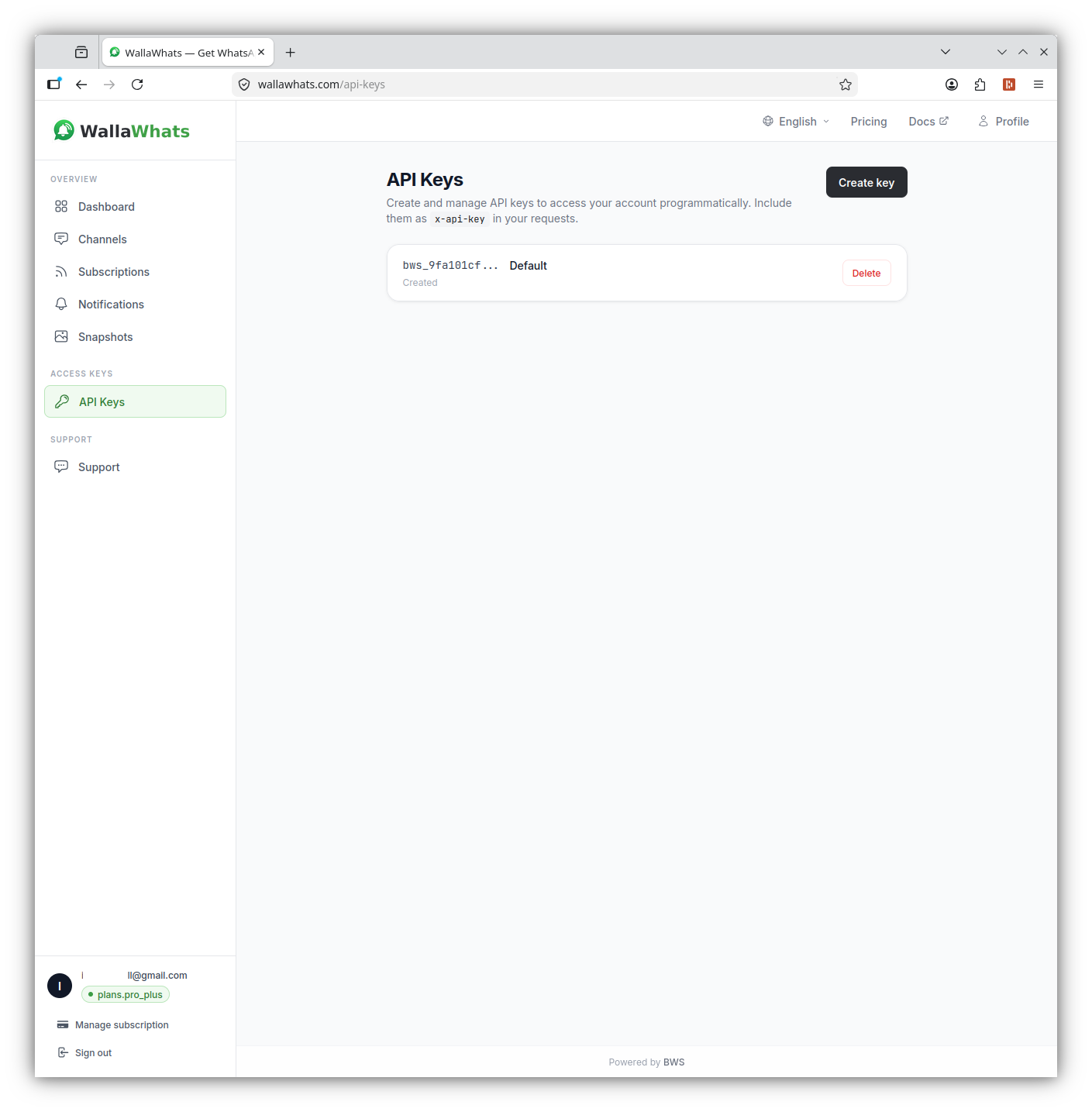
Maaaring i-integrate ng mga news organization ang WALLAWHATS monitoring sa kanilang editorial tools gamit ang API. Kasama sa lahat ng plan tiers ang API access, na may key limits na sumusukat mula sa 1 key sa Free plan hanggang 20 keys sa Enterprise.
Pagdadagdag ng Account Monitoring
curl -X POST https://api.wallawhats.com/subscriptions \
  -H "x-api-key: YOUR_API_KEY" \
  -H "Content-Type: application/json" \
  -d '{"xUsername": "FederalReserve"}'
Pag-retrieve ng Notification History
curl -X GET "https://api.wallawhats.com/notifications?from=1672531200000&to=1672617600000" \
  -H "x-api-key: YOUR_API_KEY"
Ito ay nagbabalik ng delivery status para sa lahat ng alerts sa specified timeframe, na nagbibigay-daan sa mga newsroom na i-track kung aling breaking news alerts ang successfully na-deliver sa kanilang teams.
Pag-manage ng Channel Preferences
# Add WhatsApp notification channel
curl -X POST https://api.wallawhats.com/channels \
  -H "x-api-key: YOUR_API_KEY" \
  -H "Content-Type: application/json" \
  -d '{"type": "whatsapp", "destination": "+1234567890"}'

# Add email para sa lower-priority monitoring
curl -X POST https://api.wallawhats.com/channels \
  -H "x-api-key: YOUR_API_KEY" \
  -H "Content-Type: application/json" \
  -d '{"type": "email", "destination": "reporter@newsroom.com"}'
Maaaring programmatically na ma-manage ng mga newsroom ang monitoring lists at notification preferences para sa buong reporting staff nila.
Advanced Monitoring Strategies
Geographic Beat Coverage
Para sa mga reporter na nag-co-cover ng specific regions, ang pag-monitor ng local government accounts, emergency services, at community organizations ay lumilikha ng comprehensive situational awareness.
Local Government Stack:
- Mayor at city council members
- Police at fire department accounts
- School district communications
- Regional emergency management
Community Layer:
- Local news outlets at bloggers
- Business association accounts
- Verified community leaders
- Regional transportation authorities
Investigative Research
Ginagamit ng long-form at investigative journalists ang WALLAWHATS para i-track ang mga subject at related entities sa extended periods, na ginagawa ang comprehensive timelines ng public statements at activities.
Corporate Investigation Example:
- Executive social media accounts
- Company investor relations
- Industry trade groups
- Regulatory agencies na may oversight authority
Election and Political Coverage
Nimo-monitor ng political reporters ang mga candidate, campaigns, at related entities sa multiple electoral cycles, na nini-track ang messaging changes at strategic communications nang real-time.
Campaign Coverage Setup:
- Candidate personal at official accounts
- Campaign manager at staff accounts
- Party organization communications
- Issue advocacy groups at PACs
Specialized Beat Intelligence
Nangangailangan ang iba’t ibang journalism specialties ng unique monitoring approaches:
Technology Reporting: Framework maintainers, startup founders, tech company accounts, developer communities
Financial Journalism: Federal Reserve officials, bank executives, regulatory agencies, market-moving analyst accounts
Health Reporting: Medical institutions, researcher accounts, regulatory agencies, patient advocacy groups
Climate and Environment: Weather services, environmental agencies, climate researchers, conservation organizations
Best Practices para sa mga Journalist
Verification Before Publication
Binibigyan ka ng speed ng real-time alerts, pero essential pa rin ang verification. Gamitin ang immediate notification bilang starting point para sa reporting process mo:
- Confirm ang Account: Siguruhin na ang monitored account ay verified at legitimate
- Check para sa Context: I-review ang replies at quote tweets para sa additional information
- Cross-Reference: Hanapin ang mga corroborating posts mula sa ibang sources sa network mo
- Direct Verification: Kontakin ang source nang direkta kung possible para sa quotes o clarification
Pag-manage ng Information Overload
Nangangailangan ang effective monitoring ng discipline para maiwasan ang notification fatigue:
Quality Over Quantity: Mas mabuti na mag-monitor nang effectively ng 20 essential accounts kaysa 100 accounts na poorly
Regular Review: Monthly review ng monitored accounts — tanggalin ang dormant accounts, magdagdag ng bagong important voices
Channel Separation: Gamitin ang iba’t ibang notification channels para sa iba’t ibang priority levels
Time Boundaries: Consider na i-mute ang non-essential alerts sa off-hours maliban kung nag-co-cover ng breaking news
Source Protection and Ethics
Kapag kasama sa monitoring ang sensitive sources o developing stories:
Account Privacy: I-monitor lang ang public accounts — hindi sumusuporta ang WALLAWHATS ng private o protected accounts
Source Consent: Maging transparent sa mga sources tungkol sa pag-monitor ng kanilang public statements
Attribution: Laging mag-link back sa original tweet kapag nag-ci-cite ng content sa articles
Context Preservation: I-include ang enough context para maiwasan ang misrepresenting ng statements na kinuha mula sa mas mahaba na threads
Pagsukat ng Impact sa Inyong Reporting
Speed Metrics
I-track kung paano pinapahusay ng real-time monitoring ang response time mo sa breaking news:
Alert to Publication: Oras mula sa pagtanggap ng notification hanggang sa pag-publish ng initial coverage Competitive Advantage: Gaano kadalas kang nag-break o sumukat sa competitor timing sa stories Source Response: Bilis ng pag-reach out sa sources after ng kanilang statements
Story Development
I-monitor kung paano pinapahusay ng direct account watching ang journalism mo:
Source Discovery: Bagong sources na natagpuan sa pag-monitor ng interactions ng existing accounts Story Angles: Fresh perspectives na na-discover sa real-time source monitoring Breaking News Coverage: Stories na na-cover mo na ma-miss mo sana without alerts
Editorial Workflow
I-evaluate ang integration sa existing news gathering process mo:
Daily Planning: Kung paano nag-i-inform ang monitoring alerts sa daily story planning mo Weekend Coverage: Pagmamaintain ng awareness sa off-hours sa pamamagitan ng automated alerts Team Coordination: Pagbabahagi ng critical alerts sa editors at colleagues
Para sa tips sa pagstart ng first monitoring setup mo, check out ang aming Getting Started guide. Kung interested ka sa pag-track ng competitor communications, tingnan ang aming article tungkol sa monitoring business competitors and market signals.
Pricing para sa mga News Organization
Sumusukat ang WALLAWHATS mula sa individual reporters hanggang sa buong newsrooms:
Free Plan: 3 monthly alerts, 2 X accounts, 1 WhatsApp number — perfect para sa testing ng key source monitoring
Pro ($5/month): 50 alerts, 3 accounts — good para sa freelancers o specialized beat reporters
Pro+ ($12/month): 250 alerts, 10 accounts — ideal para sa active reporters
Business ($29/month): 1,000 alerts, 20 accounts, 3 WhatsApp numbers — suitable para sa news desk teams
Enterprise ($99/month): 3,000 alerts, 50 accounts, 10 WhatsApp numbers — ginawa para sa newsroom-wide deployment
Kasama sa lahat ng plans ang API access at tweet snapshots sa email alerts (plus 30-day searchable gallery sa dashboard). Nagbibigay ang Enterprise ng dedicated support para sa editorial workflow integration.
Conclusion
Sa media environment kung saan bawat minuto ay mahalaga, hindi sapat ang algorithmic feeds. Kailangan ng mga journalist ng direct, unfiltered access sa pinaka-critical nilang sources.
Binabago ng real-time X monitoring ang pagkuha mo ng news — mula reactive feed-scrolling tungo sa proactive source surveillance. Kapag nag-break ang story, nandoon ka na.
Hindi ka na mami-miss ng important post. Gumawa ng free account — 1 WhatsApp number, real-time alerts, walang kailangan na credit card.
Tungkol sa may-akda
Nacho Coll
Founder & Engineer at WallaWhats
Nacho founded WallaWhats so you get the alerts that matter without depending on X's algorithm to surface them — pick the accounts you care about and get a WhatsApp for every post the moment it goes live, in order, nothing throttled or buried. Writes about real-time notification systems, social-signal monitoring, and serverless delivery pipelines from the operator side of the wire.